SR 26-2: What Every Bank Needs to Know, and Why Acting Now Is a Competitive Advantage
On April 17, 2026, U.S. banking regulators, including the Federal Reserve, the FDIC, and the OCC, jointly released SR 26-2, updated supervisory guidance on model risk management (MRM) that supersedes SR 11-7, the framework that has governed how banks manage model risk for the past 15 years.
For financial institutions, SR 26-2 is not just a compliance update. It is a strategic inflection point, and one that rewards banks that move quickly and penalizes those that don’t.
This post explains exactly what changed, what it means for your institution, and how to turn the shift into a competitive advantage.
What Is SR 26-2? A Plain-Language Overview
SR 26-2 is the new supervisory guidance on model risk management issued jointly by the Federal Reserve, FDIC, and OCC. It replaces SR 11-7, which was published in 2011 and has shaped how banks build, validate, monitor, and govern quantitative models ever since.
Download the ValidMind Position Paper: “From SR 11-7 to SR 26-2: Unlocking Speed, Efficiency, and Competitive Advantage“
The new guidance reflects how profoundly the industry has changed: the proliferation of machine learning and AI models, the surge in vendor and third-party model use, and growing recognition that applying uniform validation rigor to every model (regardless of its actual risk) creates unnecessary cost and friction without improving safety.
SR 26-2 is primarily directed at banking organizations with over $30 billion in total assets, though it may also apply to smaller institutions with significant model complexity or exposure.
What Changed: SR 11-7 vs. SR 26-2
| Area | SR 11-7 | SR 26-2 |
|---|---|---|
| Governance approach | Uniform rigor across all models | Risk-based, tiered by materiality |
| Model definition | Broad; included many rule-based tools | Narrowed to complex quantitative methods using statistical, economic, or financial theories |
| Materiality framework | Implicit | Explicit — model exposure × purpose |
| GenAI / Agentic AI | Not addressed | Explicitly out of scope; principles still apply |
| Compliance consequences | Supervisory criticism possible | Non-compliance with guidance alone will not result in supervisory criticism |
| Monitoring emphasis | Validation-centric | Greater weight on ongoing monitoring and outcomes analysis |
The most important shift: SR 26-2 introduces a formal materiality construct that allows banks to calibrate governance effort to actual risk. High-materiality models still require rigorous validation. Low-materiality models can be governed more efficiently, including through automation.
The 4 Things SR 26-2 Requires Banks to Do Differently
1. Distinguish Models from Non-Models
SR 26-2 narrows the definition of “model” to complex quantitative methods applying statistical, economic, or financial theories. Simple arithmetic calculations, deterministic rule-based processes, and software without a theoretical underpinning are explicitly excluded.
This matters because many banks have historically over-classified tools as models, subjecting them to full MRM governance when none was required. Cleaning up model inventory against the new definition immediately reduces governance overhead.
2. Assess and Tier Models by Materiality
SR 26-2 explicitly defines model materiality as the combination of model exposure (the significance of model output to business decisions) and model purpose (whether the model supports regulatory requirements or financial risk management, for example).
Banks are expected to use materiality assessments to determine how much governance each model requires. Immaterial models need identification and performance monitoring. High-materiality models warrant comprehensive, rigorous oversight.
3. Shift Weight from Validation to Ongoing Monitoring
SR 26-2 places greater emphasis on ongoing monitoring and outcomes analysis, particularly for lower-materiality models, frequently updated models, and vendor models. The goal is not to replicate full validation cycles for every model change, but to maintain confidence in performance and detect drift quickly.
This is a meaningful operational shift for MRM teams that have historically organized their workflows around point-in-time validation events.
4. Maintain Comprehensive Model Inventory
A complete, accurate model inventory is foundational to SR 26-2 compliance. The guidance expects inventory to support enterprise-level visibility into model concentrations, dependencies, and aggregate risk exposure, and not just serve as a recordkeeping checklist.
What SR 26-2 Says About Generative AI and Agentic AI
SR 26-2 explicitly excludes generative AI and agentic AI from its scope, noting that these technologies are “novel and rapidly evolving.” The Federal Reserve is currently soliciting input from financial institutions on appropriate governance approaches for these systems.
This does not mean banks can ignore governance for GenAI and agentic AI. The guidance states clearly that a bank’s existing risk management principles (materiality, ongoing monitoring, effective challenge) should guide governance for any tools and systems outside this document’s scope.
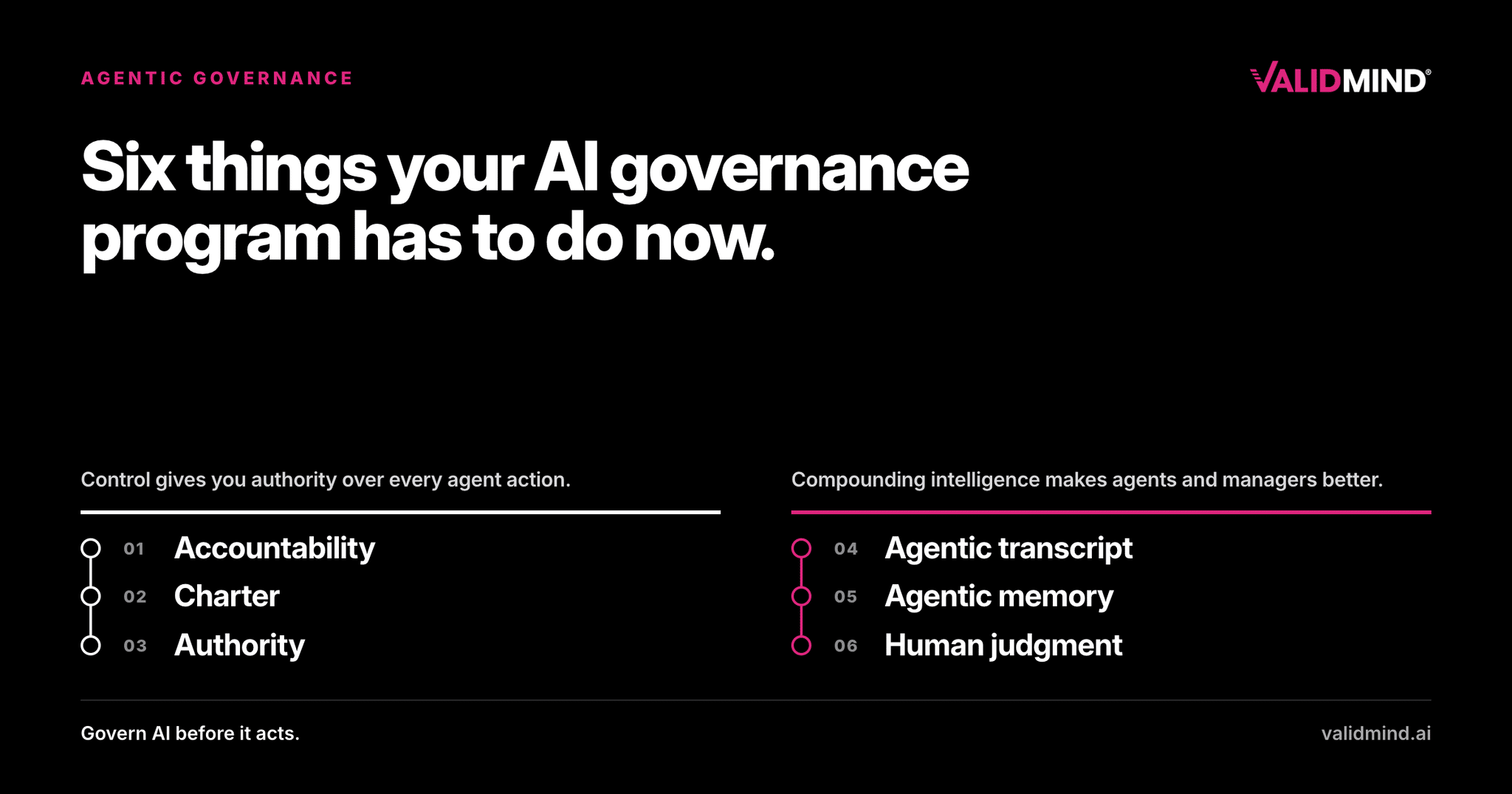
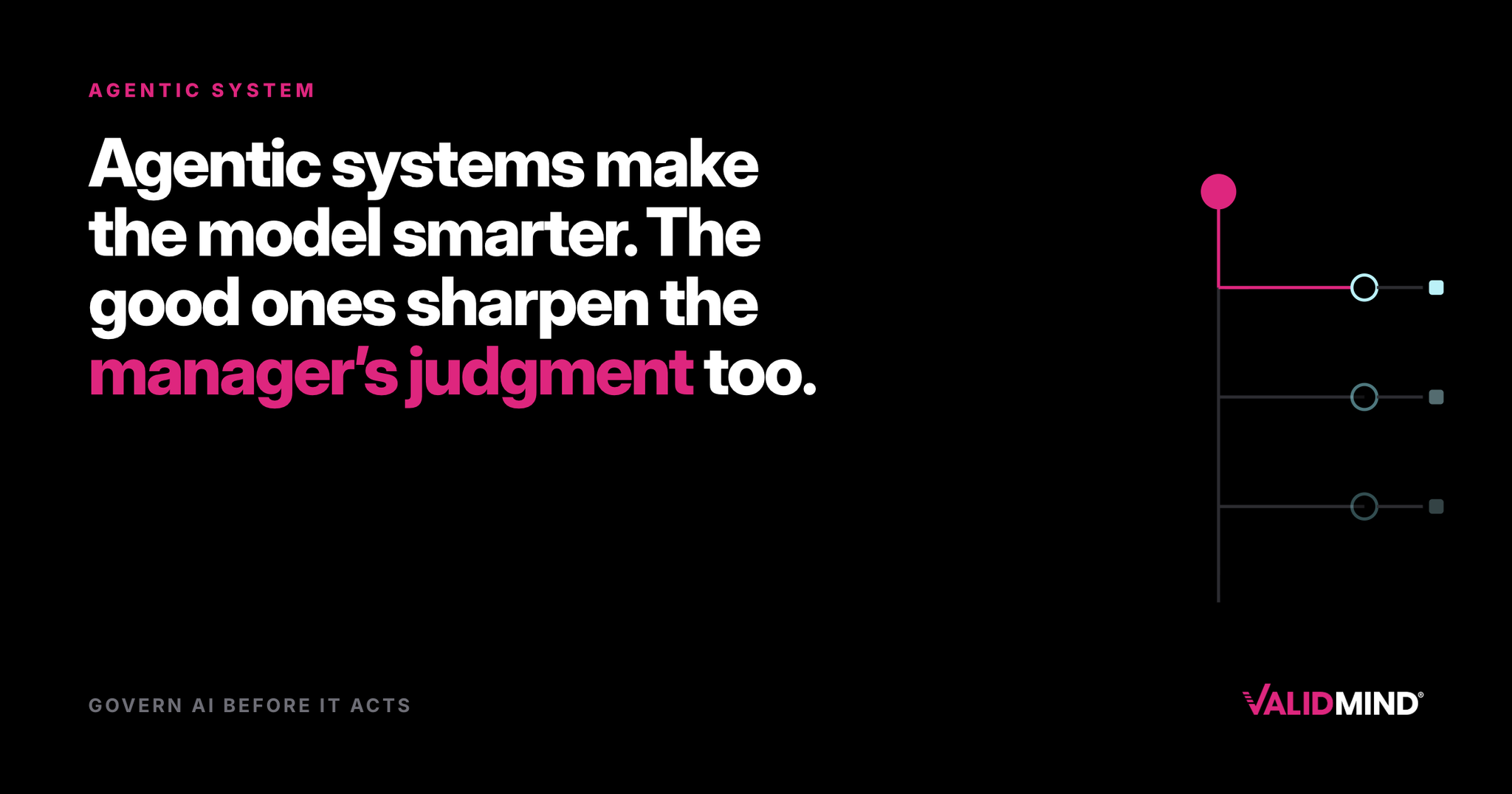
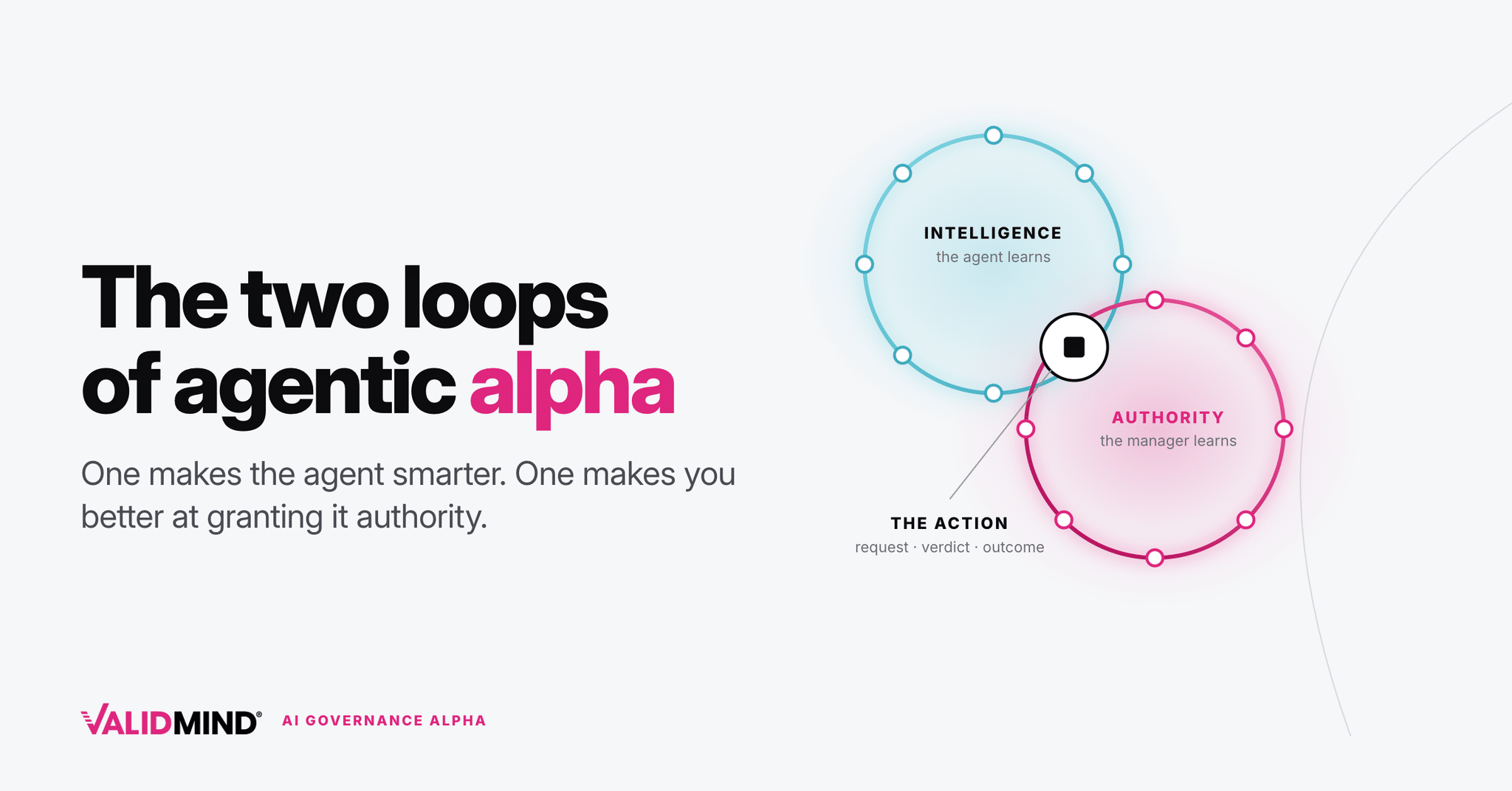
For institutions building or deploying agentic AI, this creates both an opportunity and a responsibility. The banks that build robust, scalable governance frameworks for agentic AI now, before a formal rulebook exists, will shorten the distance between experimentation and production deployment. The banks that wait will either fall behind or accept elevated risk.
Frequently Asked Questions About SR 26-2
Does SR 26-2 replace SR 11-7?
Yes. SR 26-2 supersedes SR 11-7 as the primary supervisory guidance on model risk management for U.S. banking organizations.
Who does SR 26-2 apply to?
SR 26-2 is primarily directed at banking organizations with more than $30 billion in total assets. It may also apply to smaller institutions with significant model complexity, high model prevalence, or activities outside traditional community banking.
Will banks be penalized for not following SR 26-2?
Non-compliance with SR 26-2 guidance itself will not result in supervisory criticism. However, supervisory action may still result from violations of law or unsafe or unsound practices arising from insufficient management of model risk.
Does SR 26-2 cover AI models?
SR 26-2 applies to traditional statistical and quantitative models and non-generative, non-agentic AI models. Generative AI and agentic AI are explicitly excluded from scope, though the underlying risk principles apply.
What is “model materiality” under SR 26-2?
Model materiality is the combination of model exposure (the significance of model outputs to business decisions) and model purpose (whether the model serves regulatory or risk management functions). Together, these determine how much governance rigor a model requires.
What counts as a “model” under SR 26-2?
A model is defined as a complex quantitative method, system, or approach that applies statistical, economic, or financial theories to process input data into quantitative estimates. Simple arithmetic calculations, deterministic rule-based processes, and software without theoretical underpinnings are excluded.
The Strategic Opportunity: Why Speed Matters
SR 26-2 doesn’t just change compliance requirements. It changes the economics of model and AI deployment.
Under SR 11-7, governance was often a source of structural friction: long validation cycles applied uniformly across models with very different risk profiles. SR 26-2 removes that mandate. Banks now have the freedom to redesign governance around actual risk, automating low-materiality oversight and redirecting expert resources toward the decisions that matter most.
Three things become possible at once:
- Governance costs fall: low-value review work is reduced; automation covers low-risk models
- Deployment accelerates: shorter approval cycles mean models and AI systems reach production faster
- Competitive position diverges: institutions that move first gain speed, efficiency, and AI scale advantages that compound over time
Banks that delay modernizing their governance operating model will face slower innovation cycles, higher structural cost, and worsening efficiency relative to peers that act now. This is a race, and the window to move first is open right now.
What Good SR 26-2 Implementation Looks Like
Operationalizing SR 26-2 requires more than updating a policy document. It requires infrastructure:
Tiered governance workflows that apply different levels of rigor based on model materiality, automatically routing models to the appropriate process rather than defaulting to full validation for everything.
Automated oversight for low-materiality models with continuous monitoring, threshold-based alerts, and standardized controls that reduce the need for manual expert review.
A live, structured model inventory that tracks model risk at both the individual and aggregate levels, with sufficient metadata to support enterprise-wide visibility into concentrations and dependencies.
Outcomes-based monitoring that evaluates model performance against real-world results on an ongoing basis: detecting drift, degradation, and changed conditions before they become problems.
Scalable documentation that supports effective challenge, tracks recommendations and exceptions, and provides the audit trail regulators expect without consuming disproportionate expert time.
How ValidMind Helps Banks Navigate SR 26-2
ValidMind is purpose-built to help financial institutions implement exactly this kind of materiality-driven, risk-based governance at speed and at scale.
The ValidMind platform enables banks to:
Implement tiered governance instantly. ValidMind supports configurable workflows that route models to the right level of oversight based on materiality, eliminating the one-size-fits-all validation bottleneck that has historically slowed deployment.
Automate oversight for low-materiality models. For models with well-understood risk and standardized controls, ValidMind automates the monitoring and documentation process, freeing expert capacity for higher-value work.
Download the ValidMind Position Paper: “From SR 11-7 to SR 26-2: Unlocking Speed, Efficiency, and Competitive Advantage“
Maintain a comprehensive, dynamic model inventory. ValidMind’s inventory capabilities go beyond recordkeeping. They provide enterprise-level visibility into model dependencies, concentrations, and performance, which is exactly what SR 26-2 calls for.
Accelerate documentation and validation. ValidMind streamlines the creation and maintenance of model documentation, reducing the time between model development and approval without sacrificing rigor where it matters.
Support AI governance at scale. For generative and agentic AI, where formal regulatory guidance is still forthcoming, ValidMind provides the flexible governance infrastructure banks need to deploy these systems with confidence and adapt as the regulatory landscape develops.
Demonstrate defensibility. SR 26-2’s flexibility comes with an expectation that institutions can show their governance approach is effective, risk-aligned, and soundly implemented. ValidMind’s audit-ready documentation and monitoring capabilities make that case straightforward.
The Bottom Line: SR 26-2 Is a Market Catalyst
SR 26-2 gives banks something they haven’t had under SR 11-7: genuine flexibility to govern models and AI in proportion to their actual risk. That flexibility creates a real opportunity to reduce cost, accelerate deployment, and scale AI adoption more confidently.
But it also creates a race. The institutions that build the operating capabilities to take advantage of SR 26-2 now will move faster, spend less, and compete more effectively. Those that treat this as a routine compliance update will find themselves structurally disadvantaged as peers accelerate.
The question is no longer whether to respond. It’s how quickly your institution can turn this regulatory shift into an operating advantage.
Ready to modernize your model risk management for SR 26-2?
ValidMind helps financial institutions implement materiality-driven governance that reduces cost, accelerates deployment, and scales with AI. Book a meeting with the ValidMind team →